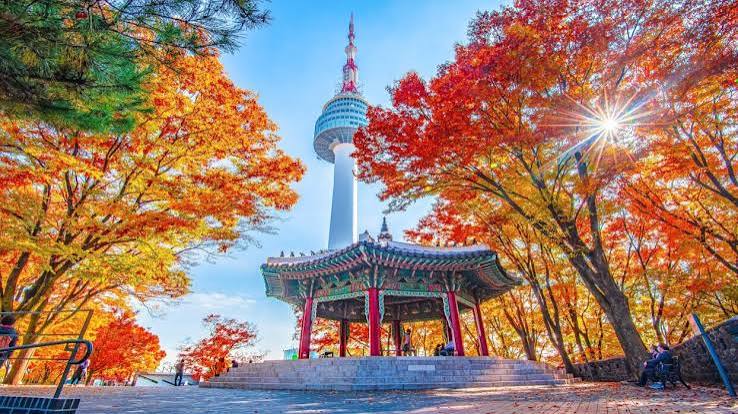
South Korea offers internationally recognized education, advanced technology, innovative universities, and a dynamic environment for international students.
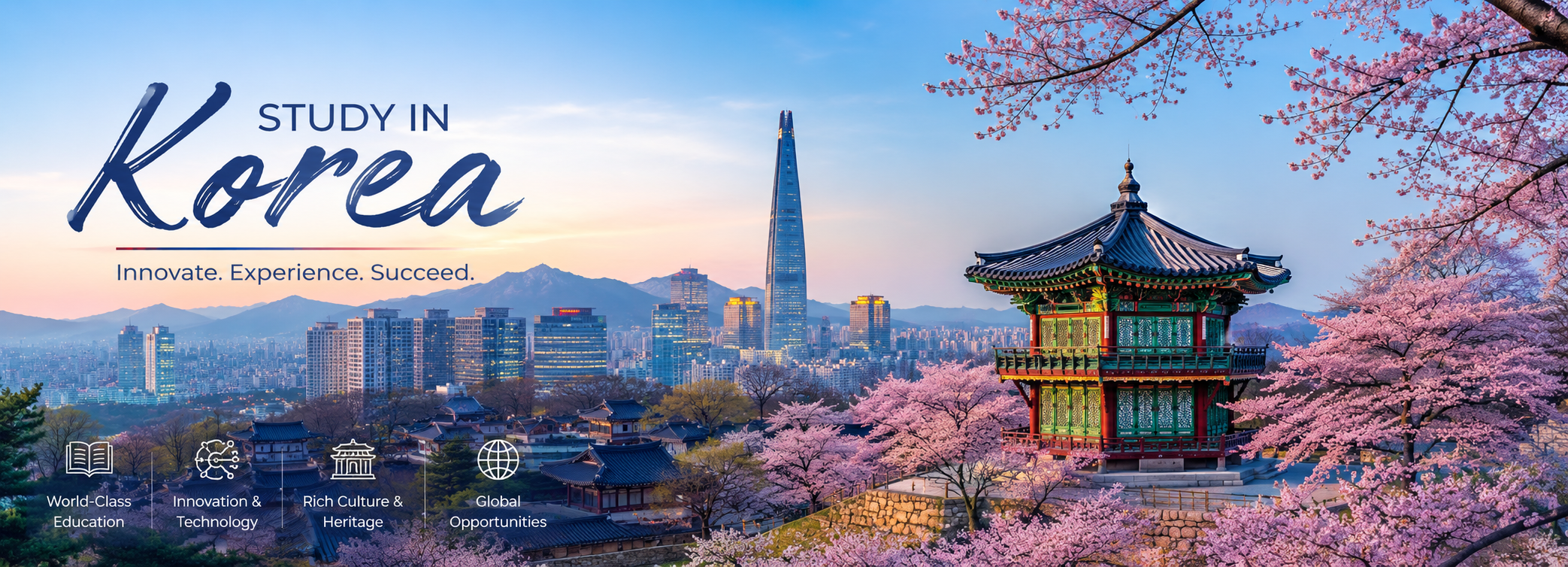
South Korea offers internationally recognized education, advanced technology, innovative universities, and a dynamic environment for international students.
South Korea has developed into an increasingly popular destination for international students seeking high-quality education, modern infrastructure, and exposure to one of Asia's most innovative economies. The country is home to internationally recognized universities and institutions offering programs across technology, engineering, business, medicine, science, arts, design, media, hospitality, and the humanities. Korean universities combine academic education with research, innovation, practical learning, and industry collaboration. Students can choose from programs taught in Korean, English, or a combination of both, depending on the institution and course. Beyond academics, studying in South Korea provides students with an opportunity to experience a unique combination of traditional Korean culture and modern urban life. Cities such as Seoul, Busan, Daejeon, Daegu, and Incheon offer international students access to advanced transportation, technology, entertainment, cultural experiences, and diverse communities. With growing internationalization across higher education and increasing opportunities for global collaboration, South Korea can provide students with valuable academic, cultural, and professional exposure.
Experience high-quality education, advanced technology, vibrant cities, and a unique blend of Korean culture and global opportunities.
South Korea provides international students with an opportunity to study in a highly developed and technology-driven education environment. Korean universities are known for their strong academic programs, research capabilities, modern facilities, and connections with major industries. The country's global leadership in areas such as information technology, electronics, engineering, automotive manufacturing, biotechnology, artificial intelligence, entertainment, and digital innovation creates an interesting environment for students pursuing future-focused careers. International students can also benefit from a diverse range of academic programs and scholarship opportunities offered by universities and government-supported initiatives. Outside the classroom, students can explore Korea's rich cultural heritage, traditional cuisine, music, film, entertainment, festivals, historic sites, and modern city life. This combination of academic opportunity, technological development, cultural experience, and international exposure makes South Korea an attractive destination for students looking to build a global perspective.
Explore undergraduate, graduate, language, and specialized programs offered by Korean universities and educational institutions.
South Korea offers a structured higher education system that includes universities, colleges, graduate schools, specialized institutions, and Korean language education centers. International students can pursue bachelor's degrees, master's degrees, doctoral programs, exchange programs, foundation-style preparation, and Korean language courses depending on their academic background and career goals. Many universities operate dedicated international offices that provide support with admissions, orientation, student services, and cultural activities. Programs may be delivered in Korean, English, or both, with English-taught programs becoming increasingly available in selected fields and institutions. Students choosing Korean-medium programs may need to demonstrate an appropriate level of Korean language proficiency, while English-medium programs may require recognized English language qualifications. Academic calendars and admission schedules vary between institutions, so students should carefully check individual university requirements, application periods, tuition fees, and language requirements before applying.
South Korea can offer comparatively manageable education and living costs while providing access to modern universities and infrastructure.
The total cost of studying in South Korea depends on the university, academic program, location, accommodation choice, and personal lifestyle. Tuition fees can vary between public and private institutions and between different fields of study. Programs such as medicine, engineering, arts, and specialized professional courses may have different fee structures. Students should also consider expenses such as accommodation, food, transportation, health insurance, study materials, communication, and personal spending when preparing their financial plan. Seoul is generally more expensive than many other Korean cities, particularly in terms of accommodation and daily living expenses. Students who choose university dormitories or study outside the capital may be able to manage their living costs more efficiently. Scholarships provided by universities and government-supported programs can also help eligible international students reduce part of their educational expenses. A realistic budget should therefore include both academic and living expenses for the entire planned study period.
International students can explore university scholarships and government-supported funding opportunities to help manage the cost of studying in Korea.
South Korea offers a range of scholarship opportunities for international students through universities, government programs, and other educational organizations. One of the best-known opportunities is the Global Korea Scholarship, which supports eligible international students pursuing selected undergraduate, graduate, and research programs. Individual universities may also provide scholarships based on academic performance, language proficiency, admission results, or other criteria. Scholarship benefits can vary and may include partial or full tuition support, living allowances, airfare, language training, or other forms of assistance depending on the specific program. Competition for major scholarships can be high, so students should begin researching opportunities well before their intended intake. Applicants should carefully review eligibility requirements, academic conditions, required documents, application deadlines, and scholarship continuation requirements before submitting an application.
Enjoy a vibrant student lifestyle combining modern cities, traditional culture, technology, entertainment, and international communities.
Student life in South Korea extends well beyond the university classroom. International students can participate in university clubs, sports teams, cultural societies, academic organizations, volunteer activities, language exchanges, and international student events. Korean universities often provide opportunities for international students to meet both local and international classmates, helping them develop cultural awareness and communication skills. Students can also experience Korea's unique cultural heritage through historic palaces, temples, museums, traditional markets, festivals, and regional celebrations. At the same time, modern Korean cities offer advanced public transportation, shopping districts, cafés, restaurants, entertainment venues, technology hubs, and a vibrant social environment. Students interested in Korean popular culture can explore the country's globally influential music, television, cinema, fashion, food, and digital entertainment industries. Living in South Korea can therefore provide a balance between academic development, cultural immersion, social experiences, and independent living.
Admission requirements depend on the institution, program, academic background, nationality, and language of instruction.
Admission requirements for international students vary considerably between Korean universities and academic programs. Applicants may be required to provide academic transcripts, graduation certificates, passport copies, photographs, proof of language proficiency, recommendation letters, personal statements, study plans, financial documents, and other supporting materials. Students applying to Korean-medium programs may need to demonstrate Korean language proficiency through an accepted qualification, while English-taught programs may require proof of English proficiency depending on the university. Certain specialized programs may also have additional portfolio, interview, entrance examination, or subject-specific requirements. Applicants should carefully check the admission guidelines published by their chosen institution because document requirements, application procedures, deadlines, and eligibility criteria can differ from one university to another.
Graduates may explore further study, research, internships, and employment opportunities depending on their qualifications and immigration status.
Completing a qualification in South Korea can provide international graduates with opportunities to continue their academic journey, develop professional experience, or explore employment in their field of study. Students may consider progressing to higher-level qualifications, research programs, internships, or eligible employment opportunities depending on their academic background and career objectives. Korea's strong technology, manufacturing, research, business, entertainment, and service sectors can provide diverse professional environments for appropriately qualified graduates. Employment and immigration pathways are subject to specific requirements, and eligibility can depend on the student's qualification, occupation, employer, language skills, and visa status. Students considering long-term plans should therefore research current immigration and employment regulations before choosing a program.
Key facts about studying in South Korea at a glance.
Avg. Annual Tuition
KRW 4,000,000–10,000,000
Avg. Living Cost / Year
KRW 700,000–1,500,000
Part-Time Work Rights
part-time
Main Intakes
March, September
Visa Success Rate
Depends on applicant profile